
Overview
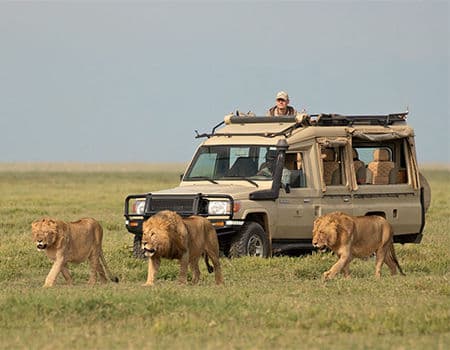
Elevate your wildlife photography from snapshots to gallery-worthy masterpieces on a safari designed by professionals, for professionals. Travel in a specially modified 4x4 fitted with 360-degree swivel seats, beanbag lens mounts, and lowered side panels that put you at eye level with a stalking lioness. Your guide—a published wildlife photographer—coaches you on golden-hour composition, back-lit rim lighting, and the split-second timing that separates a good shot from a stunning one. Whether you shoot with a flagship mirrorless or a smartphone, you will return home with images that tell the untamed story of the Mara.
Take your wildlife photography to the next level. Our specialized safaris are designed by photographers, for photographers. We use modified 4x4 vehicles with 360-degree swivel seats and beanbag mounts to ensure you have the best possible angle for every shot.
Your guide—a professional wildlife photographer—will help you master light, composition, and timing. Whether you're a seasoned pro or a passionate amateur, you'll benefit from expert advice on camera settings and the behavior of your subjects to anticipate the action.
In High Definition
What to Expect
- Low-angle photography opportunities
- Extended time at sightings to capture the perfect moment
- Technical workshops and image review sessions
- Custom-built camera mounts and stabilization
Experience Highlights
Interested in this experience?
Tell us about your dream photographic safaris experience and we will craft a personalised itinerary.
Frequently Asked Questions
Everything you need to know about planning your photographic safaris experience with C.A.T.S.
What camera equipment should I bring?
For wildlife photography, a DSLR or mirrorless camera with a 100–400mm or 200–600mm telephoto zoom lens is ideal for most safari situations. A wide-angle lens (16–35mm) captures landscapes and camp scenes. Bring extra batteries (3–4 minimum — dust and heat drain them faster), plenty of memory cards, and a lens cleaning kit. A beanbag is far more practical than a tripod in a safari vehicle — it stabilises your lens on the vehicle roof or window frame. Consider a camera body with fast autofocus and good high-ISO performance for dawn and dusk light. Our guides position vehicles for optimal light direction.
Do I need to be a professional photographer?
Not at all — our photography safaris welcome all skill levels. Beginners benefit enormously from our photography-specialist guides who teach composition, exposure, and animal behaviour prediction in the field. Enthusiasts sharpen their skills with targeted techniques like panning for motion blur, back-lighting for drama, and eye-level perspectives. Professionals appreciate the extended game drives, prime positioning, and guides who understand the patience required for the perfect shot. Everyone returns home with images they are proud of.
What makes a photography safari different from a regular safari?
Photography safaris prioritise image-making over tick-list sightings. Vehicles are customised with roof hatches (not pop-ups) for unobstructed shooting angles, beanbag mounts, and charging ports. Game drives are longer — starting before dawn for golden-hour light and extending into late evening. Guides are trained to position for light direction, clean backgrounds, and animal behaviour moments. Group sizes are limited to 3–4 photographers per vehicle for space. We spend longer at sightings, waiting for the perfect moment rather than moving on quickly.
Which parks are best for photography?
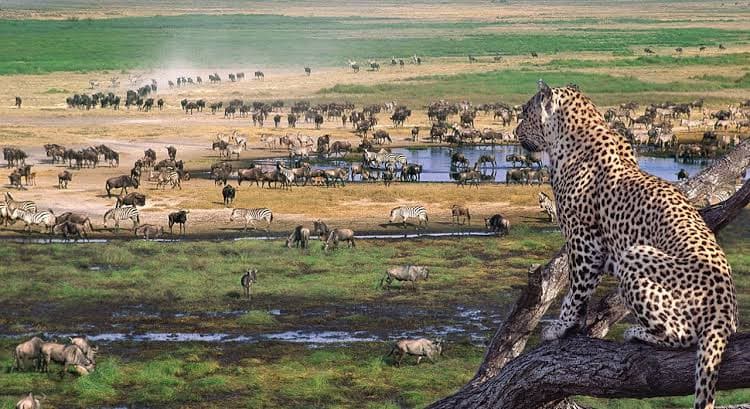
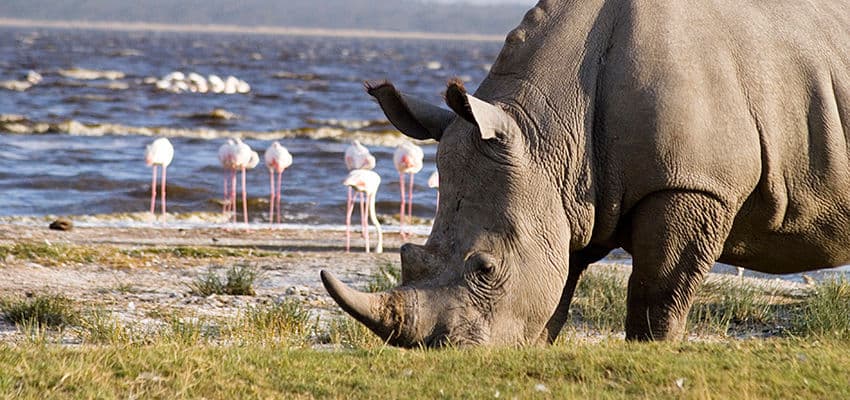
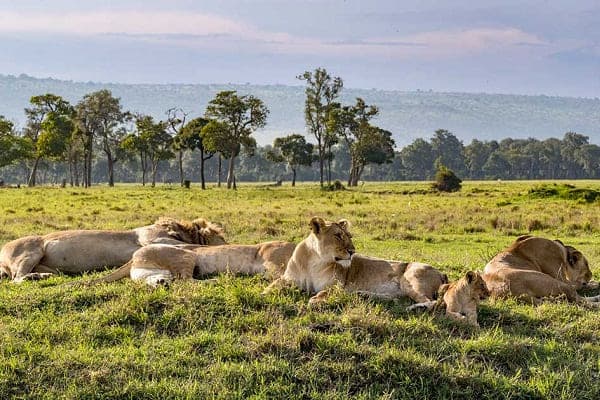
The Masai Mara is Kenya's premier photography destination — open grasslands provide clean backgrounds, predator density is exceptional, and the Great Migration crossings deliver unforgettable action shots. Amboseli offers elephants against Kilimanjaro — the iconic Kenya image. Samburu provides unique species (reticulated giraffe, Grevy's zebra) and dramatic arid landscapes. Lake Nakuru's flamingos create stunning patterns of pink against blue. Ol Pejeta's black rhinos are more approachable for close-up portraits. We rotate parks based on seasonal conditions and your target species.
Can I do a photography safari with a smartphone?
Modern smartphones produce remarkable images in good light. However, wildlife photography requires telephoto reach that smartphones lack — a lion at 30 metres will be a tiny speck on a phone camera. We recommend at least a bridge camera with 20x zoom for satisfying wildlife shots. That said, smartphones excel at camp scenes, landscapes, cultural portraits, and video. Some guests bring both — a dedicated camera for wildlife and a phone for everything else. Our guides help you make the most of whatever equipment you have.
Have more questions? We are always here to help.
Experience Pairings
Elevate your African odyssey by pairing the Photographic Safaris with our most requested safari circuits.