


Nyerere National Park (Selous Game Reserve)
Nyerere National Park — formerly known as the Selous Game Reserve and still widely referred to by its historic name — is Africa's largest protected wildlife area, covering a staggering 30,893 square kilometres of pristine wilderness in southern Tanzania.
Destination Guide
About Nyerere National Park (Selous Game Reserve)
Nyerere National Park — formerly known as the Selous Game Reserve and still widely referred to by its historic name — is Africa's largest protected wildlife area, covering a staggering 30,893 square kilometres of pristine wilderness in southern Tanzania. Renamed in 2019 in honour of Tanzania's founding father Julius Nyerere, this UNESCO World Heritage Site is larger than Switzerland and harbours some of the continent's most significant populations of elephants, hippos, crocodiles, wild dogs, and lions. Yet despite its immense size and extraordinary biodiversity, Nyerere receives a tiny fraction of the visitors who flock to the northern circuit parks, making it one of Africa's last true wilderness frontiers — a place where you can spend an entire day on safari without seeing another vehicle.
What sets Nyerere apart from every other park in Tanzania is its remarkable diversity of safari activities. While game drives are spectacular, the park is equally famous for its boat safaris on the mighty Rufiji River — Africa's largest river by volume in Tanzania — where you glide past basking crocodiles, pods of 50+ hippos, and elephants drinking on the banks while fish eagles cry overhead. Walking safaris with armed rangers offer an adrenaline-charged, ground-level perspective that few other parks permit. The Rufiji River and its network of lakes, channels, and oxbows create a water-based ecosystem unlike anything in the Serengeti or Ngorongoro. With C.A.T.S Safaris, Nyerere offers the adventurous traveller a raw, uncrowded, and profoundly authentic African wilderness experience.
Why Visit Nyerere National Park (Selous Game Reserve)?
Nyerere National Park offers what the famous northern parks cannot: genuine wilderness solitude, diverse safari activities beyond traditional game drives, and some of Africa's most dramatic water-based wildlife encounters. The boat safaris on the Rufiji River are simply extraordinary — drifting silently past enormous crocodiles, hippo pods of 50 or more, and elephants bathing at sunset creates memories no game drive can replicate. Walking safaris here are among the best in East Africa, offering the raw thrill of approaching wildlife on foot with experienced armed rangers. The park is one of the best places in Africa to see endangered African wild dogs, with several packs hunting across the reserve. For families with older children (12+), the combination of boat, walking, and driving safaris provides an unmatched variety of experiences. Nyerere is also significantly more affordable than the northern circuit parks, offering exceptional value for money. The fly-in camps scattered along the Rufiji are intimate and exclusive, rarely hosting more than 16 guests, creating a level of personalised service impossible in busier parks.
🦁 Wildlife Guide
Animals of Nyerere National Park (Selous Game Reserve)
African Wild Dog
HighNyerere harbours one of Africa's largest populations of endangered wild dogs, with several packs regularly sighted. Their cooperative hunting is thrilling to witness.
Lion
HighLarge prides roam the open plains and woodland areas. Nyerere's lions are well-studied and frequently encountered on game drives.
African Elephant
HighDespite past poaching pressures, elephant populations are recovering. Herds are commonly seen along the Rufiji River and in the woodland areas.
Hippo
Very HighThe Rufiji River and its lakes support some of the highest hippo concentrations in Africa, with pods of 50+ easily seen on boat safaris.
Nile Crocodile
Very HighMassive crocodiles — some over 5 metres long — bask on the river banks and sandbanks of the Rufiji. Boat safaris bring you remarkably close.
Leopard
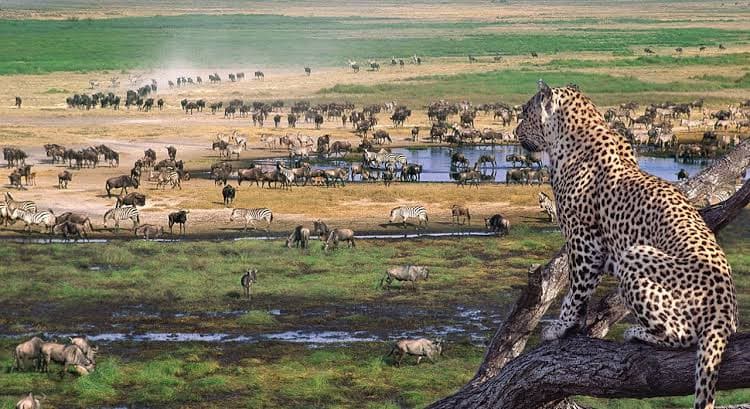
ModeratePresent throughout the reserve in riverine forest and woodland. Early morning and late afternoon drives along the river offer the best chances.
Giraffe
HighMasai giraffes browse the woodland areas and are commonly seen on game drives in the northern photographic sector.
African Fish Eagle
Very HighThe iconic call of the African fish eagle is the soundtrack of the Rufiji River. These striking raptors are easily spotted and photographed on boat safaris.
Sable Antelope
ModerateThis magnificent antelope with its swept-back horns is more commonly seen in Nyerere than in most other Tanzanian parks.
African Buffalo
Very HighLarge herds of buffalo graze the floodplains and open areas, sometimes numbering in the hundreds.
🎯 Activities & Experiences
Things To Do at Nyerere National Park (Selous Game Reserve)
Rufiji River Boat Safari
Cruise the mighty Rufiji in a motorised boat, passing pods of 50+ hippos, giant crocodiles, and elephants while fish eagles soar overhead — Nyerere's signature experience.
Walking Safari
Step out of the vehicle and into the wild — track elephants, buffalo, and wild dogs on foot with an armed ranger for a raw, adrenaline-charged bush experience.
Wild Dog Tracking
Nyerere is one of Africa's best places to observe endangered African wild dogs. Track a pack during their early morning hunts for heart-pounding wildlife action.
Catch-and-Release Fishing
Cast a line in the Rufiji River for tiger fish, catfish, and vundu while surrounded by hippos and crocodiles — fishing doesn't get more adventurous than this.
Sunset River Cruise
End the day with a gentle cruise as the sun paints the Rufiji golden, hippos emerge for the evening, and the bush comes alive with nocturnal sounds.
Fly Camping Experience
Sleep under a mosquito net beneath a canopy of stars in a lightweight bush camp — the ultimate wild Africa overnight experience.
📅 When To Visit
Best Time to Visit Nyerere National Park (Selous Game Reserve)
Dry Season
ExcellentJune – October
The best time for wildlife viewing. Animals concentrate along the Rufiji River. Roads are accessible and boat safaris are at their best. Clear skies and cool mornings.
Early Dry
GoodJune
Transition period with excellent game viewing, lush landscapes, and fewer visitors than peak months. Walking safaris are particularly enjoyable in the cooler temperatures.
Green Season
FairNovember – December
Short rains bring greenery and migratory birds. Some camps remain open. Game viewing is still rewarding along the river, and rates are lower.
Wet Season
FairJanuary – May
Heavy rains make many roads impassable. Most camps close from March to May. Not recommended for first-time visitors.
✈️ Getting There
How to Reach Nyerere National Park (Selous Game Reserve)
Scheduled Flight
Daily flights from Dar es Salaam to Nyerere airstrips with Coastal Aviation and Safari Airlink. Flight time approximately 45 minutes. The most convenient and popular option.
Charter Flight
Private charters available from Dar es Salaam, Zanzibar, Arusha, or Ruaha for maximum flexibility.
Road from Dar es Salaam
Approximately 240 km (5-6 hours) by road via Kibiti. The road is tarmac to Kibiti, then gravel to the park. Suitable for adventurous travellers.
C.A.T.S Arrangement
C.A.T.S arranges all flights, transfers, and logistics for Nyerere safaris. Fly-in packages from Dar es Salaam are the most popular option.
💰 Park Fees
Entry Fees for Nyerere National Park (Selous Game Reserve)
| Category | Fee (per person/day) |
|---|
* All park fees are included in C.A.T.S safari packages. Fees shown for reference only and may change without notice.
❓ Frequently Asked Questions
Nyerere National Park (Selous Game Reserve) FAQs
🦒 Explore Our Safaris
Safaris Featuring Nyerere National Park (Selous Game Reserve)

Ready to Experience Nyerere National Park (Selous Game Reserve)?
Let our expert team craft your perfect Tanzania safari. 15 years of experience. Unbeatable local knowledge. Your adventure starts here.