

7-Day Kenya & Tanzania Budget Safari | Value Cross-Border Adventure
Experience Both Countries Without Breaking the Bank
Seven days crossing from Kenya into Tanzania at a budget-friendly price, threading together four distinct ecosystems without the premium price tag. Start among Amboseli's elephant herds beneath Kilimanjaro's snowcap, cross the Namanga border into the Rift Valley for Lake Manyara's tree-climbing lions and flamingo-lined shallows, push on to the Serengeti's endless plains, and finish with a single unforgettable descent into the Ngorongoro Crater's Big Five spectacle. Professional guides, comfortable vehicles, and quality budget lodges make this the most accessible cross-border safari route available.
Tour Highlights
Wildlife You'll Encounter
Species commonly sighted on this safari route
Day-by-Day Itinerary
Nairobi to Amboseli
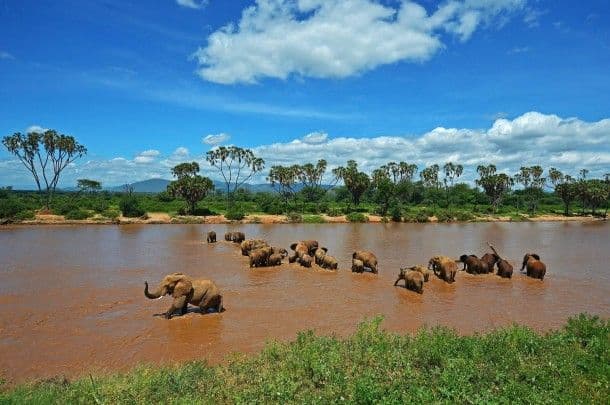
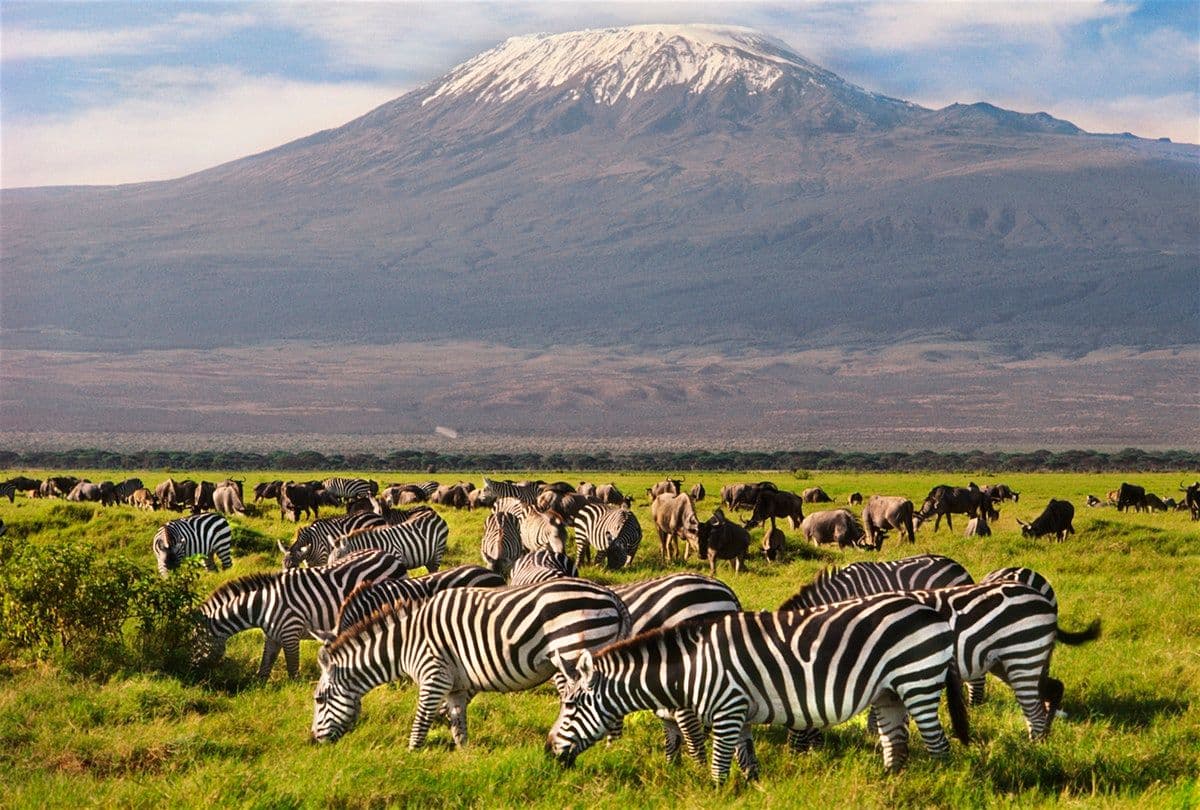
7:00 AM. Leave Nairobi behind and drive south across the Athi Plains, where Maasai herdsmen walk alongside their cattle in the morning haze. As you approach Amboseli National Park, the clouds part to reveal Mount Kilimanjaro — Africa's highest peak, its snow-capped summit floating above the savannah like a mirage. Check into your lodge and head out on your first afternoon game drive through Amboseli's open grasslands. Elephant families move in unhurried procession against the Kilimanjaro backdrop, their red-dusted bodies glowing in the warm afternoon light. Wading birds stalk the freshwater springs while wildebeest and zebra graze the short grass — a perfect introduction to this value-packed Kenya Tanzania safari.

Full Day Amboseli
6:00 AM. Clear mornings in Amboseli deliver one of Africa's most iconic images — enormous elephant matriarchs leading their herds across sun-baked plains while Kilimanjaro's glaciers blaze pink in the early light. Your guide navigates the network of dusty tracks between the park's spring-fed swamps where hippos wallow and yellow-billed storks wade through emerald shallows. Climb Observation Hill for a sweeping panorama of the entire park — the mosaic of swamps, dry lake bed, and savannah laid out below with Kilimanjaro towering above it all. The afternoon explores the acacia woodlands where gerenuk stand on hind legs to browse, crowned cranes strut through the grass, and Amboseli's famous large-tusked elephants pose for unforgettable Kilimanjaro-framed photographs.

Amboseli to Lake Manyara
6:00 AM. A final dawn drive through Amboseli's swamp edge picks up elephant herds wading out of the mist, Kilimanjaro catching the first orange light on its ice cap before the clouds close back in. After breakfast you turn south for the Namanga border, roughly two hours across the dry Amboseli-Namanga corridor where Maasai cattle tracks crisscross the red murram road. The crossing itself is brisk — passport stamps, a change of currency, and a short walk between the Kenyan and Tanzanian posts past stalls selling kitenge cloth and Maasai beadwork. On the Tanzanian side, the road climbs gently toward Arusha, passing coffee estates on the lower slopes of Mount Meru, where you stop for lunch and a leg-stretch. From Arusha, the route drops west into the Rift Valley, the escarpment rising sharply on your right as Lake Manyara comes into view, a pale strip of soda water pinned against the valley wall. Entering the park gate in the late afternoon, the road ducks straight into dense groundwater forest fed by springs seeping from the escarpment base, home to troops of olive baboon, blue monkey, and — if you're patient — the lions that occasionally haul themselves up into the fig and acacia branches, a trait found in only a few lion populations on the continent. You reach your lodge on the valley rim as the sun drops behind Manyara's lake.
Lake Manyara to Serengeti
6:30 AM. Sunrise over Lake Manyara is one of the valley's quiet rewards — flamingos already working the shallows in a shifting pink line, hippos surfacing near the Msasa River mouth, and the escarpment behind glowing rust-red. After breakfast you leave the lake and climb west onto the Crater Highlands, the road narrowing through Mto wa Mbu's market stalls before winding up through cultivated slopes into the Ngorongoro Conservation Area. A stop at Olduvai Gorge breaks the drive — a narrow gash in the Rift Valley floor where some of the oldest hominid remains and stone tools on Earth were uncovered, laid out in the small gorge-side museum. Beyond the gorge, the road drops onto the short-grass plains of the eastern Serengeti, the horizon flattening out into grassland that runs uninterrupted for as far as you can see. Entering through the Naabi Hill gate, your afternoon game drive is immediate immersion — wildebeest and zebra drifting across the plains in loose, shifting lines, topi standing sentinel on old termite mounds, and a cheetah, if you're lucky, scanning the flats from a slight rise. You reach your Serengeti camp as the sun melts into the grass.
Full Day Serengeti
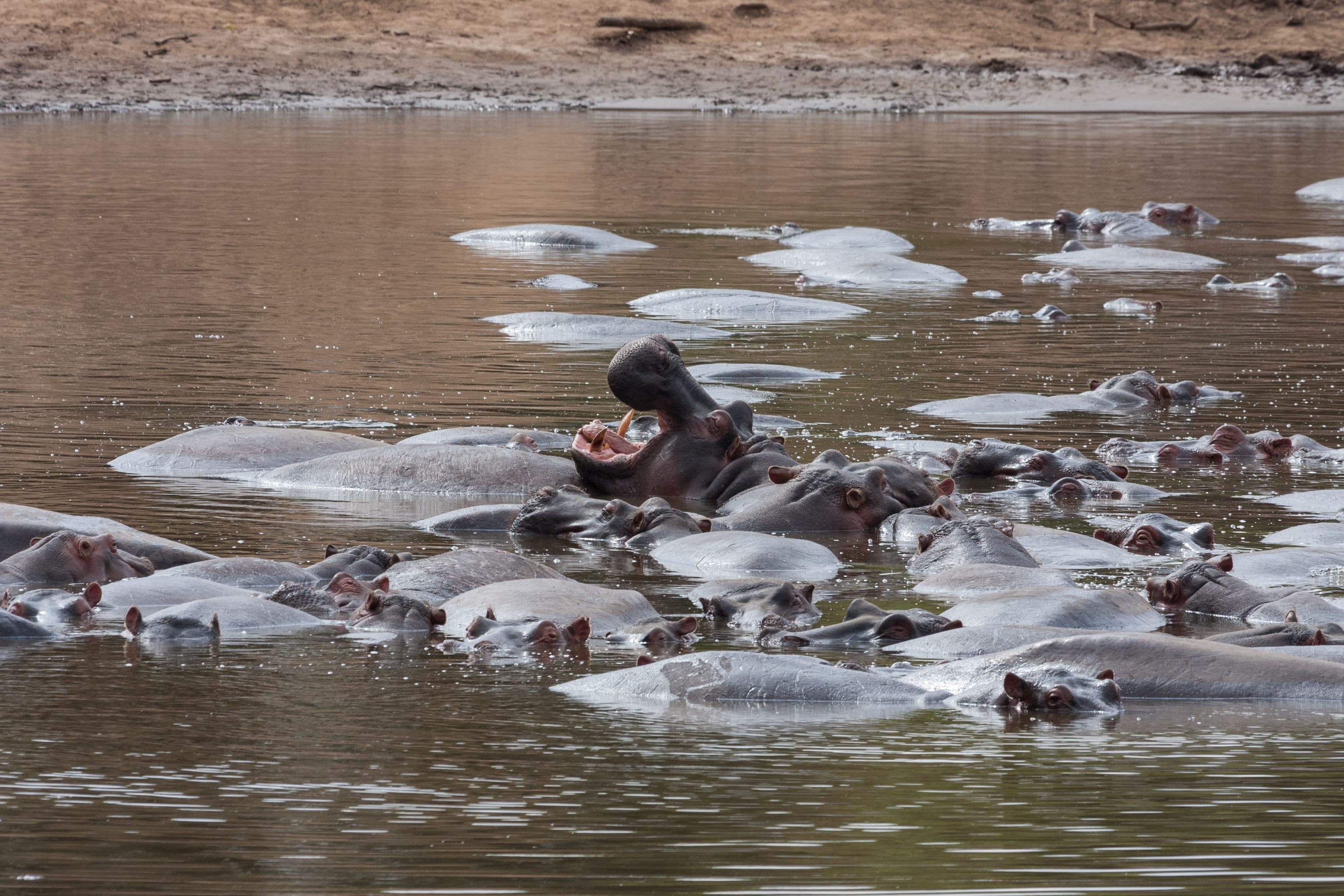
5:30 AM. A full day on the Serengeti plains reveals why this park is considered the crown jewel of East African wildlife. Morning light gilds the granite kopjes where lion prides survey their territory and rock hyrax dart between sun-warmed boulders. Your guide tracks predator activity across the vast landscape — a cheetah family teaching cubs to hunt, a leopard descending a sausage tree after a night of ambush. Seasonal river crossings may deliver the spectacle of wildebeest plunging into crocodile-patrolled waters. A bush lunch is served beneath an umbrella acacia while superb starlings flash iridescent blue around you. The afternoon reveals hippo pools thick with snorting pods, giraffe browsing the canopy tops, and the Serengeti sunset — a blaze of amber and violet that silhouettes migrating herds against the endless horizon.
Serengeti to Ngorongoro Crater
6:00 AM. A last game drive across the Serengeti's central plains works the kopjes near Moru, granite islands where lion prides drape themselves over sun-warmed boulders and rock hyrax dart between the cracks. By mid-morning the vehicle turns east, climbing steadily out of the grassland and into the forested rim of the Ngorongoro Conservation Area. The crater appears without warning — the road simply stops at the edge of a 600-metre drop, the caldera floor spread out below in a patchwork of grass, forest, and the pale soda flats of Lake Magadi. The descent down the crater wall is steep and slow, switching back through montane forest before opening onto the floor itself, where roughly 25,000 animals live within a rim just twenty kilometres across. Buffalo herds graze in loose masses near the Lerai fever-tree forest, lion prides lie out in the open with barely a glance at passing vehicles, and your guide works the grassland edges for one of the crater's black rhinos — fewer than thirty remain here, grazing in full view of the crater walls. Lunch is taken beside the Ngoitokitok springs, hippos wallowing just metres from the picnic tables while pied kingfishers hover over the water. The afternoon covers the Gorigor swamp, where crowned cranes and saddle-billed storks wade through the reeds, before the vehicle climbs back up the crater wall at dusk, the caldera glowing amber below as you reach your rim-side lodge.
Ngorongoro to Arusha / Nairobi
7:00 AM. A last look over the crater rim before breakfast — mist still lifting off Lake Magadi far below, the caldera walls catching the first full light of the day. From the lodge, the road drops out of the highlands through Karatu's coffee shambas and market stalls, then east across the Rift Valley floor toward Arusha, roughly three and a half hours in total. Maasai bomas dot the roadside along the way, herders moving cattle across the grass verges as the volcanic highlands soften into the drier plains around Mount Meru. Arriving in Arusha by early afternoon, there's time for a final lunch in Tanzania's safari capital before your onward connection — either to Kilimanjaro International Airport for a flight home, or back across the Namanga border for the overland run to Nairobi. Amboseli's elephants beneath Kilimanjaro, Manyara's tree-climbing lions, the Serengeti's endless plains, and the crater's dense concentration of Big Five wildlife — seven days, two countries, and remarkable value for the ground covered.
Booking Information
- All prices are per person sharing in a double/twin room
- Single room supplement available on request
- Children under 12 receive discounted rates
- Custom itineraries available — contact us for a personalised quote
- Prices valid for 2025/2026 season — subject to park fee changes
What's Included
- ✓Professional English-speaking safari guide
- ✓4x4 Land Cruiser with pop-up roof
- ✓All park entrance fees
- ✓Full-board accommodation
- ✓Airport/hotel transfers
- ✓Drinking water during game drives
- ✓Game drives as per itinerary
What's Not Included
- ✗International flights
- ✗Visa fees
- ✗Travel insurance
- ✗Tips and gratuities
- ✗Personal expenses
- ✗Optional activities not in itinerary
Safari Season Guide
Best wildlife viewing. Great Migration in the Mara (Jul–Oct). Dry weather, sparse vegetation makes animals easy to spot.
Calving season in the Serengeti. Good birding. Pleasant weather with occasional showers.
Transition to dry season. Fewer crowds, good rates. Early migration movements begin.
Long rains (Apr–May) and short rains (Nov). Lowest prices. Lush landscapes, excellent birding, newborn animals.
Safari Pricing
Prices per person sharing in double/twin room. Tanzania park fees included. Budget-friendly accommodations with great value. Shared vehicle option available for further savings
| Group Size | Economy | Comfort | Luxury |
|---|---|---|---|
| 1 Person | $2,640 | $3,520 | $5,170 |
| 2 Persons | $1,870 | $2,420 | $3,520 |
| 3 Persons | $1,650 | $2,200 | $3,190 |
| 4 Persons | $1,540 | $2,090 | $2,970 |
| 5 Persons | $1,430 | $1,980 | $2,860 |
| 6 | $1,320 | $1,870 | $2,750 |
Prices are in USD per person sharing. Exact rates may vary based on specific accommodation choice and availability at time of booking. Contact us for a personalized quote.
Before or after your safari
Add a Nairobi Day Trip
Have a spare day in Nairobi? Add a private excursion with hotel or JKIA pickup.
Book This Safari
Personalised itinerary, guaranteed departures
Starting from
$2,200
per person sharing
No booking fees — We respond within 2 hours